
Food Culture

European Food Guides

European food guides work best when they are about daily life as much as dishes. Markets, lunch habits, coffee rituals, bakery stops and regional pride often tell you more than a list of famous meals. Good food coverage should help you eat better and notice more.

Culture European food guide For Canadians
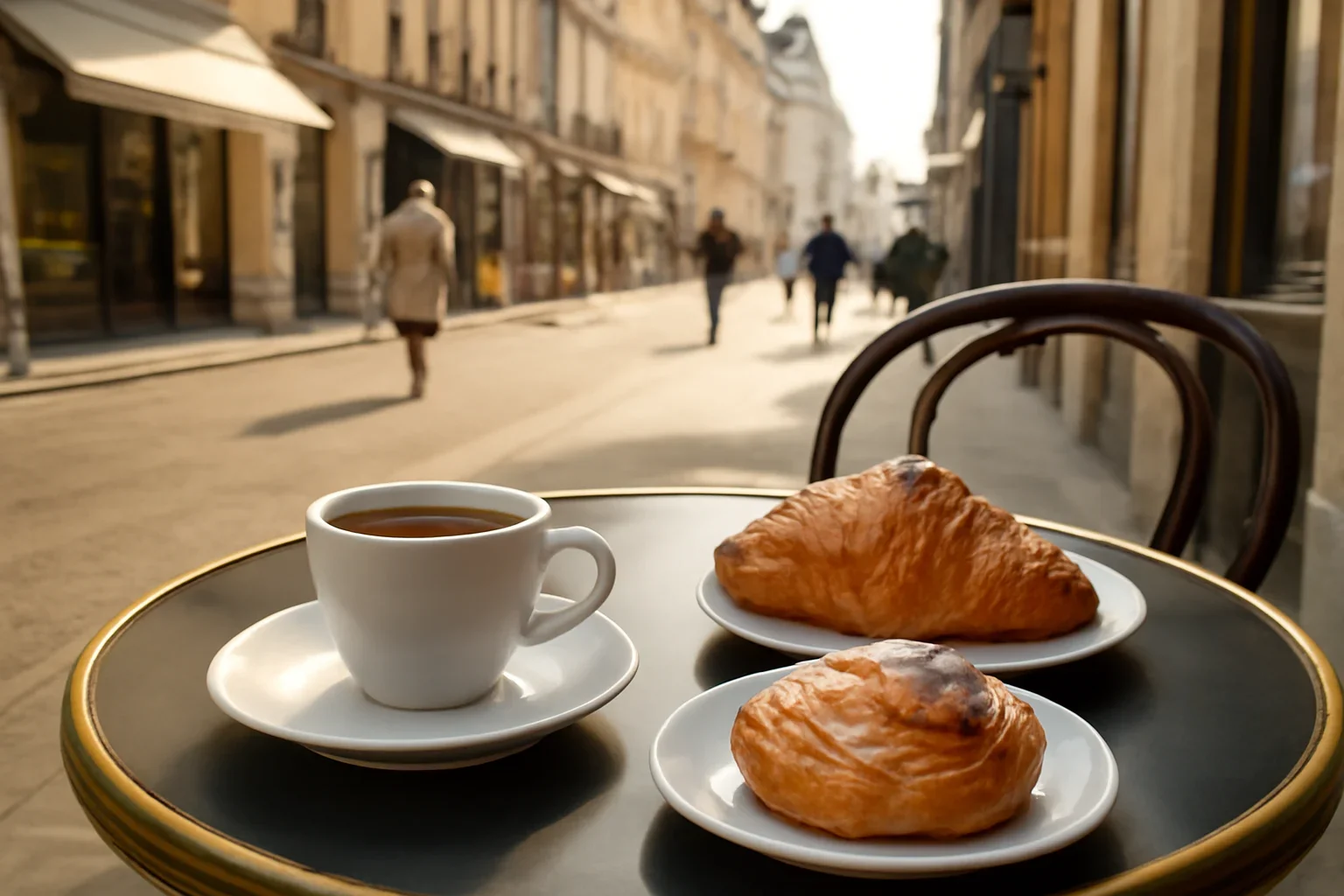
European café table with espresso, pastries and morning street life behind it

Everyday food counts

The snack, market and café habits of a place are often where the real personality shows.

Region matters

Even within one country, food culture can shift sharply from one area to the next.

Taste is part of understanding place

Food is not a side hobby to travel. It is one of the clearest ways to read a destination.

Why food guides need local rhythm

A useful food guide tells you how the day unfolds: when cafés fill, when markets feel alive, when long lunches matter and where local specialties belong in that flow.

How to eat with more curiosity and less performance

The best food trips are not audition reels of impossible reservations. They are built from repeated pleasures, neighbourhood patterns and a willingness to follow local timing.

What readers should carry forward from a good guide

A sharper sense of what to look for, what to ask, how to order and which moments of the day or week make a place feel most itself.
Frequently Asked Questions

Do I need a luxury budget to enjoy European food culture?

No. Many of the best experiences are casual and woven into everyday life.

What matters more, restaurants or markets?

Both can matter, but markets and everyday stops often tell you more about place.

How should I use a food guide on a trip?

Use it to shape your walking, timing and curiosity, not only to collect a list of names.

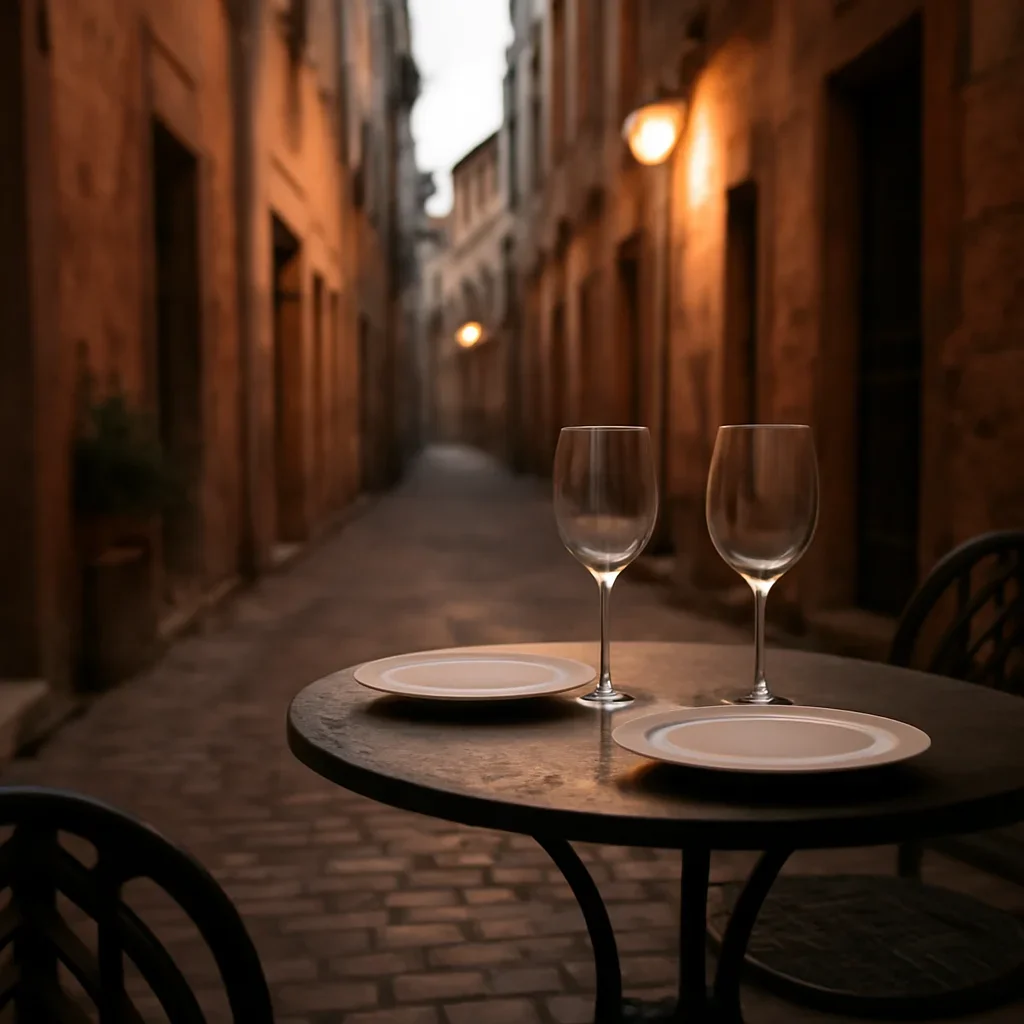
Dinner plates and wine glasses on a small terrace table in a narrow lane
Next Step

Taste the place instead of skimming past it

The strongest food memories usually come from the rhythms you notice as much as the dishes themselves.

Culture