
Travel Rules

How European Travel Rules Are Changing

European travel rules are evolving in ways that matter most at the planning stage. Digital authorizations, border systems and document expectations are becoming more visible parts of the trip-building process. The smartest response is not panic. It is better preparation.

Blog European travel rules 2027 For Canadians
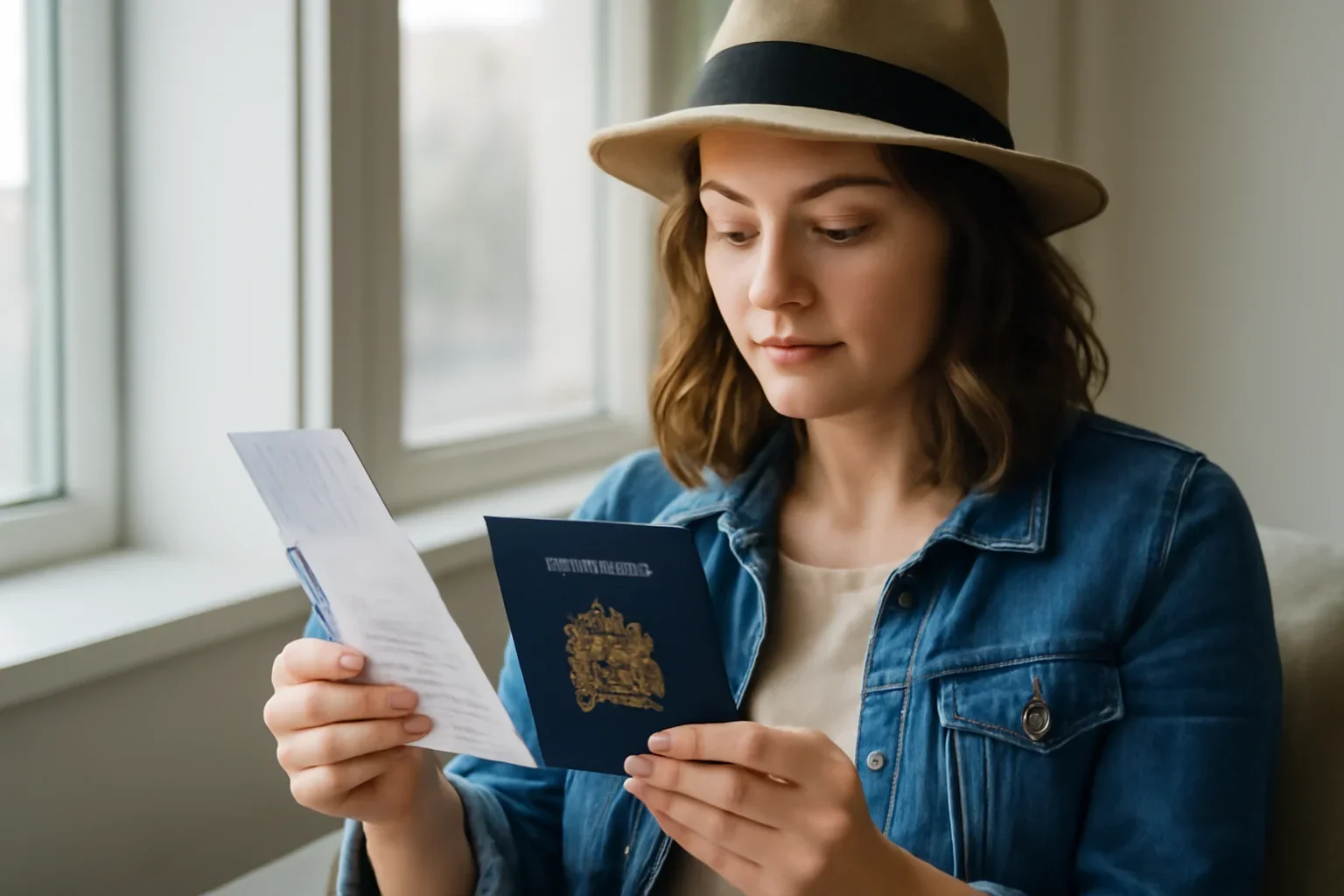
Canadian traveller reviewing passport, boarding pass and Europe itinerary notes

Planning starts earlier

The paperwork side of travel is becoming more explicit.

Systems can change over time

That makes last-minute assumptions a risky habit.

The basics still matter

Passports, day counts and country checks remain essential even as systems modernize.

What the broader shift looks like

Europe travel is moving toward more visible digital and administrative checkpoints for many visitors. That does not make travel impossible or joyless, but it does mean the planning checklist deserves a little more respect.

What Canadians should do differently

Confirm the current requirements before departure, keep trip documents organized and stop treating entry details as something to glance at the night before the flight.

Why the shift is manageable

Most travellers already do much of this planning in practice. The change is that systems are becoming more formal and therefore less forgiving of vague assumptions.

Frequently Asked Questions

Are Europe travel rules becoming too complicated?

They are becoming more visible, but they are still manageable with early planning.

What is the best way to adapt?

Check the current requirements before departure and organize your travel documents early.

Do older basics still matter?

Yes. Passport validity, legal stay counts and country-specific checks remain important.

Traveller with carry-on checking entry details beside an airport departures screen
Next Step

Respond to changing rules with better habits, not extra stress

A clearer checklist makes the trip feel steadier.

Blog