Terminology

EU vs Europe

EU and Europe are often used interchangeably in casual conversation, but the distinction matters. One is a continent. The other is a political and economic union within that wider geography. Keeping those labels separate makes European news and travel talk far less confusing.

EU Explained EU vs Europe For Canadians
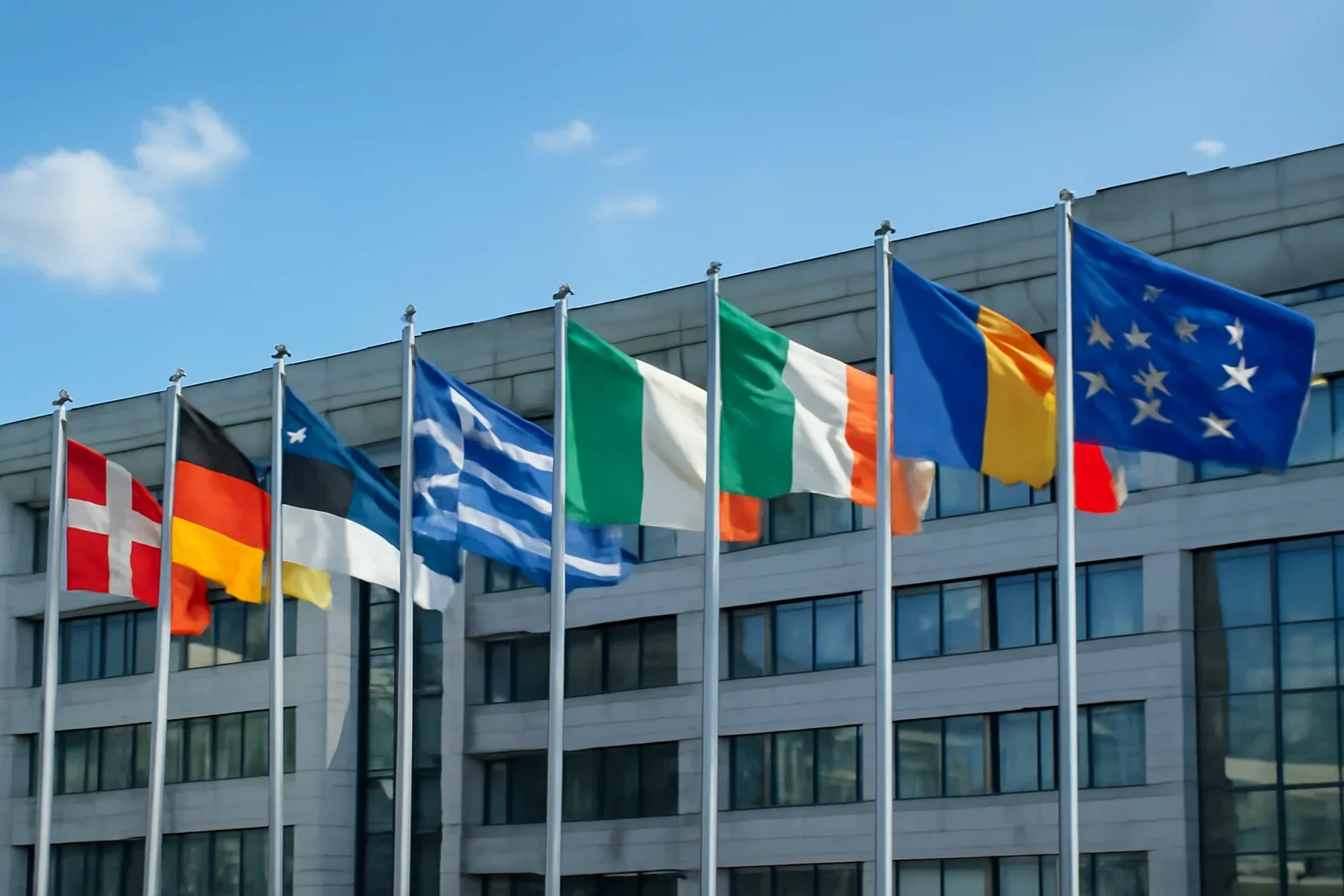
European flags outside a modern institutional building under bright sky

Geography and governance are not the same

Europe is bigger than the EU.

Confusion creates bad summaries

When the terms blur, stories and conversations become less accurate.

The distinction helps everywhere

It improves how you read headlines, plan travel and discuss Europe more clearly.

Why people blur the terms

Both labels appear constantly in media, travel marketing and everyday conversation, so the shortcut is understandable. The trouble starts when that shortcut hides the actual political or geographic reality.

What changes once you separate them

You can better understand who is included in a policy story, why border or currency rules vary and how Europe's diversity exceeds any single institutional framework.

How Canadian readers benefit from the distinction

It makes travel planning cleaner, improves current-affairs reading and helps conversations about Europe stay more precise without becoming academic.

Frequently Asked Questions

Is every European country in the EU?

No.

Why does the distinction matter for travel?

Because country-specific rules and experiences do not always line up with what people assume about the EU.

Is it okay to say Europe when I mean the EU?

In casual speech people do it, but it is clearer to separate them when accuracy matters.

City square scene with civic buildings, pedestrians and EU-themed signage
Next Step

Use the right label and the rest gets easier

A small distinction clears up a surprising amount of confusion.

EU Explained