
Commission

European Commission Explained

The European Commission is one of the institutions readers hear about constantly and understand only vaguely. That is normal. Institutional language can flatten the picture quickly. This guide makes the Commission easier to follow by focusing on role and function rather than bureaucratic fog.

EU Explained European Commission explained For Canadians
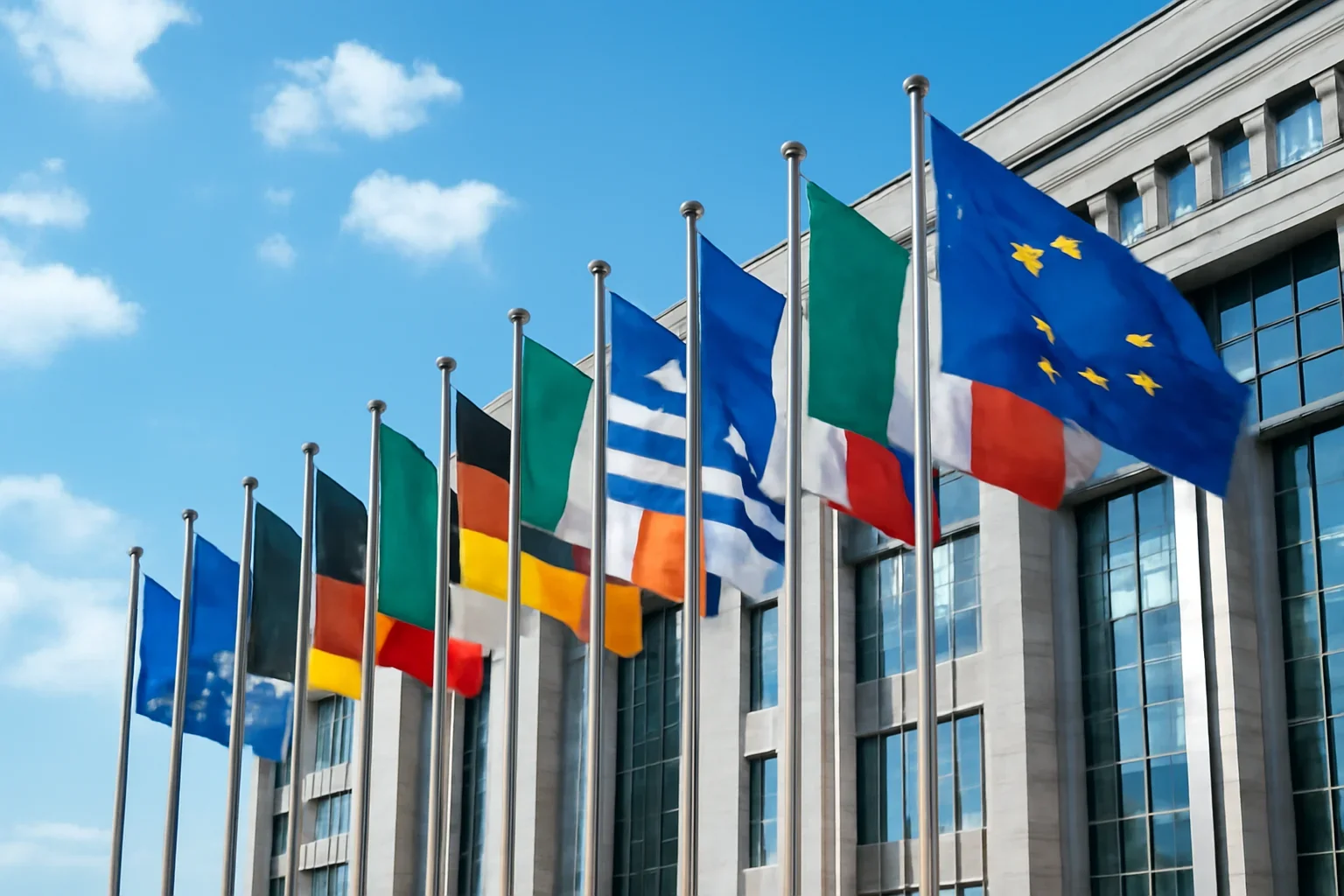
European flags outside a modern institutional building under bright sky

Think in roles

The Commission makes more sense when you focus on what it does in the EU system.

Context matters in news coverage

Many policy stories become clearer once the Commission's place is understood.

Not everything in Brussels is the same

One institution does not stand in for the whole EU.

What the Commission is there to do

In practical terms, the Commission plays a central role in the functioning of the EU and in shaping how proposals and shared priorities move through the system.

Why readers hear about it so often

Because it appears repeatedly in policy, regulatory and institutional stories. Without a basic understanding of its role, those headlines can feel repetitive without becoming clearer.

How to use this knowledge

You do not need every procedural detail. A clear sense of purpose and place in the wider EU structure is enough to make many stories legible.

Frequently Asked Questions

Is the European Commission the same as the European Parliament?

No.

Why does the Commission appear in so many EU stories?

Because it plays a central role in how the union functions and develops policy.

Do I need detailed institutional knowledge to follow it?

No. A basic role-based understanding goes a long way.

City square scene with civic buildings, pedestrians and EU-themed signage
Next Step

Learn the role and the headlines get easier

Institutional clarity pays off every time Europe is in the news.

EU Explained